Protect your people.
Build the judgment to recognize hazards, challenge risky habits, and act before someone gets hurt.
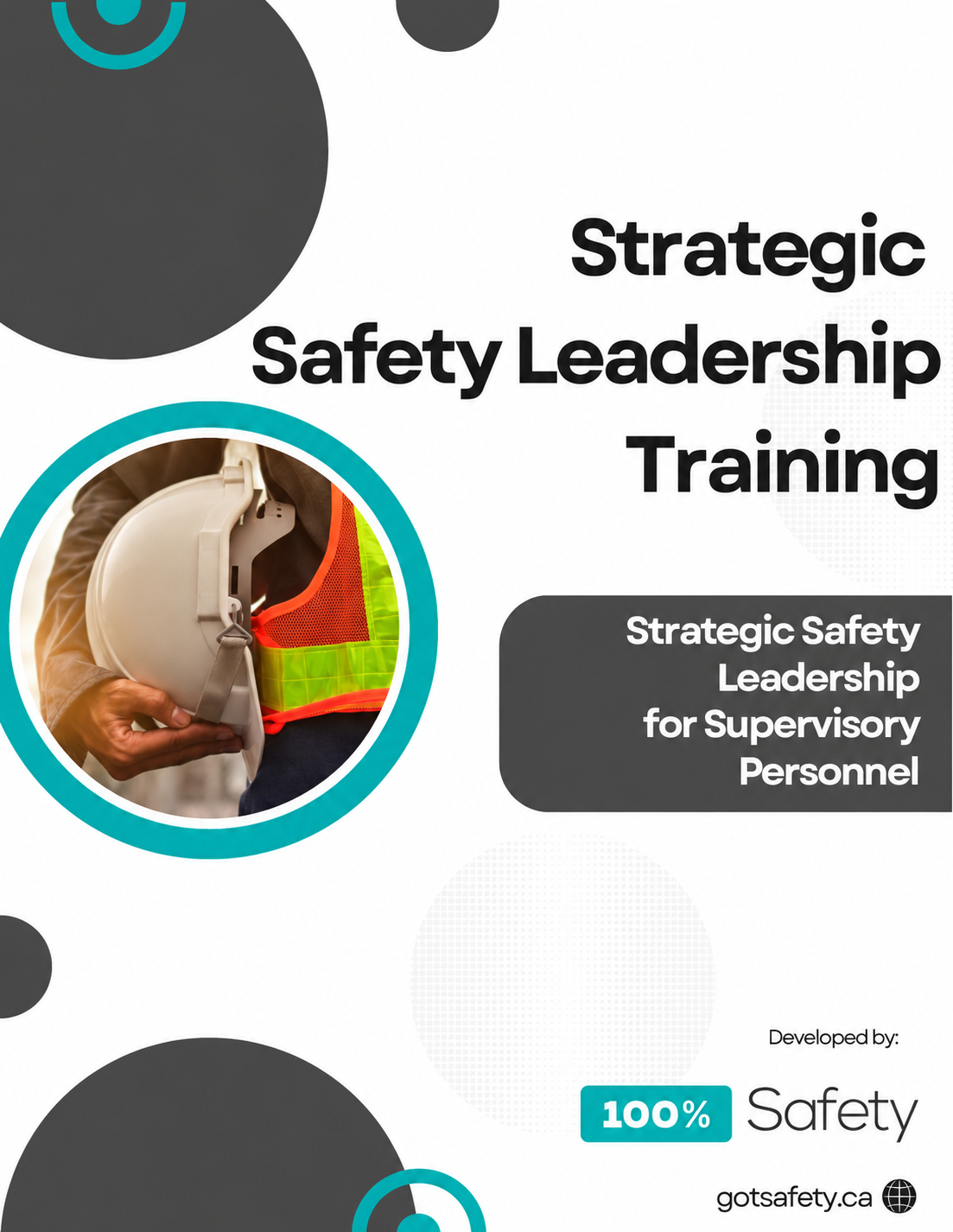
STRATEGIC SAFETY LEADERSHIP TRAINING
Give the people who lead your crews the skills to protect your workers, make better decisions, and build a workplace people want to be part of.


GOLD SEAL ACCREDITED
Invest in practical skills.
Build toward professional recognition.
PARTNERSHIPS TRAINING REQUIREMENTS
SSLT meets the Partnerships training requirements for:
THE EMPLOYER’S ADVANTAGE
A strong worker can become a supervisor overnight. Knowing how to handle an injury, a complaint, an inspection, or a difficult conversation takes preparation.
Build the judgment to recognize hazards, challenge risky habits, and act before someone gets hurt.
Prepare supervisors to support recovery, reduce avoidable time away, and manage disruptions with a clear plan.
Replace avoidance and intimidation with clear expectations, respectful accountability, and conversations that move work forward.
Connect legal duties, documentation, and regulator interactions to the decisions supervisors make every day.
THIS IS WHERE TRAINING EARNS ITS KEEP
These moments happen on real worksites.
The response can affect the worker, the crew, and the whole organization.
INJURY RESPONSE & WCB
An injury needs care and a coordinated response. The supervisor’s next steps matter to both recovery and time away from work.
Better support for an injured worker, with the opportunity to reduce avoidable lost time and claim costs.
Illustrative situations. Suitable modified work can help reduce lost time; outcomes depend on the injury, medical restrictions, and work available. WCB-Alberta guidance ↗
THE HUMAN SIDE OF SUPERVISION
You can hold people accountable and still treat them like people. SSLT connects the responsibilities of supervision with the emotional intelligence to carry them out well.
Address concerns early. Listen to understand. Make expectations clear.
Recognize skill gaps, support improvement, and use fair, consistent discipline.
Manage your own reactions. Model respect. Take violence and harassment seriously.
THE FULL SUPERVISOR TOOLKIT
From understanding the role to leading the people. Explore what supervisors learn—and why it matters.
Understand who is a supervisor, the authority that comes with directing work, and the many roles supervisors fill.
WHY IT MATTERSClearer ownership of people, work, and safety responsibilities.
Explore OH&S obligations, legal accountability, the Criminal Code, and due diligence from a supervisor perspective.
WHY IT MATTERSDecisions grounded in responsibilities, supported by action and records.
Recognize how familiarity, experience, and personal attitudes influence the risks people accept.
WHY IT MATTERSSupervisors who question unsafe habits before they become normal.
Identify hazards, assess risk, and apply the hierarchy of controls through practical worksite examples.
WHY IT MATTERSBetter planning and more effective protection where the work happens.
Understand what to look for, how to document findings, and how to follow through on deficiencies.
WHY IT MATTERSInspections that lead to corrective action.
Work through evidence, interviews, contributing causes, and practical corrective actions.
WHY IT MATTERSA clearer understanding of what happened and how to prevent recurrence.
Learn about reporting, regulator inspections, documentation requests, orders, and follow-up.
WHY IT MATTERSSupervisors better prepared to cooperate with regulators and coordinate a response.
Connect injury reporting, access to treatment, modified duties, and return-to-work support with the supervisor’s role.
WHY IT MATTERSBetter worker support and the opportunity to reduce avoidable lost time and claim costs.
Recognize impairment concerns, understand mental health considerations, and know who to involve and when to escalate.
WHY IT MATTERSEarlier recognition and a more informed, respectful response to fitness-for-work concerns.
Explore emergency preparation, response roles, fire safety, and worksite planning.
WHY IT MATTERSClearer roles and better preparation when a situation becomes urgent.
Recognize violence and harassment, understand their workplace impact, and distinguish respectful management from harmful conduct.
WHY IT MATTERSBetter prevention of harm, stronger morale, and reduced exposure to psychological injury risks.
Understand the connection between instruction, training, competency, and supervision.
WHY IT MATTERSGreater confidence that people are prepared for the work assigned to them.
Connect fair expectations, progressive discipline, performance improvement, and written records.
WHY IT MATTERSMore consistent accountability and better-supported people decisions.
Explore leadership styles, self-awareness, emotional regulation, empathy, and relationship management.
WHY IT MATTERSLeaders who communicate clearly, handle pressure, and build trust.
These skills work together. A hazard assessment, a WCB response, and a difficult conversation all depend on a supervisor who understands their role and knows how to lead.
KNOWLEDGE THEY CAN PUT TO WORK
Give them the understanding to act on them.
The course workbook brings legal responsibilities, worksite examples, practice activities, and leadership concepts into one learning path.
MORE THAN GETTING THE JOB DONE
You need to get the job done.
You need to get it done safely.
Production is one responsibility. Supervisors also coach people, manage risk, handle difficult conversations, and know when to involve others.
For supervisors, forepersons, lead hands, superintendents, project managers and emerging leaders—anyone your people look to.
“supervisor” means a person who has charge of a work site or authority over a worker
Alberta OH&S Act, section 1(nn) ↗
The responsibility comes from authority over work or workers, not only the job title.
FROM THE PEOPLE IN THE ROOM
“We use 100% Safety’s Leadership Training as a foundation for training our leaders. The course teaches on legislative preparedness, with a strong focus on supervisor obligations. The course also prepares supervisors for difficult conversations, handling work and non-work related injuries, and necessary information on hazard mitigation. Alex is an insightful instructor, and we look forward to her continuing to be a part of our safety program”
“I enjoyed the course, Alex is down to earth, practical, very knowledgeable on the course material. She has a wealth of experience to draw on to make topics more relatable and engaging. The course material was informative, easy to digest, and covered a wide range of helpful topics from legal responsibilities to EQ (emotional intelligence). We put our leadership through this training, and will continue to do so going forward.”
“Very well presented and was very easy to stay focused and engaged in the course”
“I encourage you to continue to tell your stories from your experience to deliver a message or make a point. I found those moments the most intriguing.”
“Excellent summary on impairment and recognizing different symptoms to watch for.”
“Trainer is very very great person. I like her way to explaining training.”
“Enjoyed the course. More helpful than LSE training. Down to earth & relatable.”
“I think the instructor did a great job delivering the content in a way everyone could understand. This was a valuable course. Thank you!”
“Very good job.”
BUILD THE LEADERS YOUR ORGANIZATION NEEDS
Let’s talk about Strategic Safety Leadership Training for your team.
Plan your team’s training Inquire about course delivery, availability, and pricing.